Quick Conclusion: S037 is a significant validation for OpenSCG’s core algorithm. By testing on a large cohort of 77 pathological subjects (not just healthy ones), it confirms that SCG-based heart rate monitoring is robust against the signal distortions caused by valvular heart diseases.
📊 Key Accuracy Metrics
| Metric | Result |
|---|---|
| Sensitivity | 96% (using combined systolic-diastolic templates) |
| Positive Predictive Value (PPV) | 97% |
| IBI Accuracy (R2) | > 0.999 |
| IBI Limits of Agreement | ±7.8 ms |
🔍 Study Analysis
Objective & Population
Technical Development & Validation Study. Cohort: 77 patients with Valvular Heart Diseases (VHD) (N=77).
What it Supports
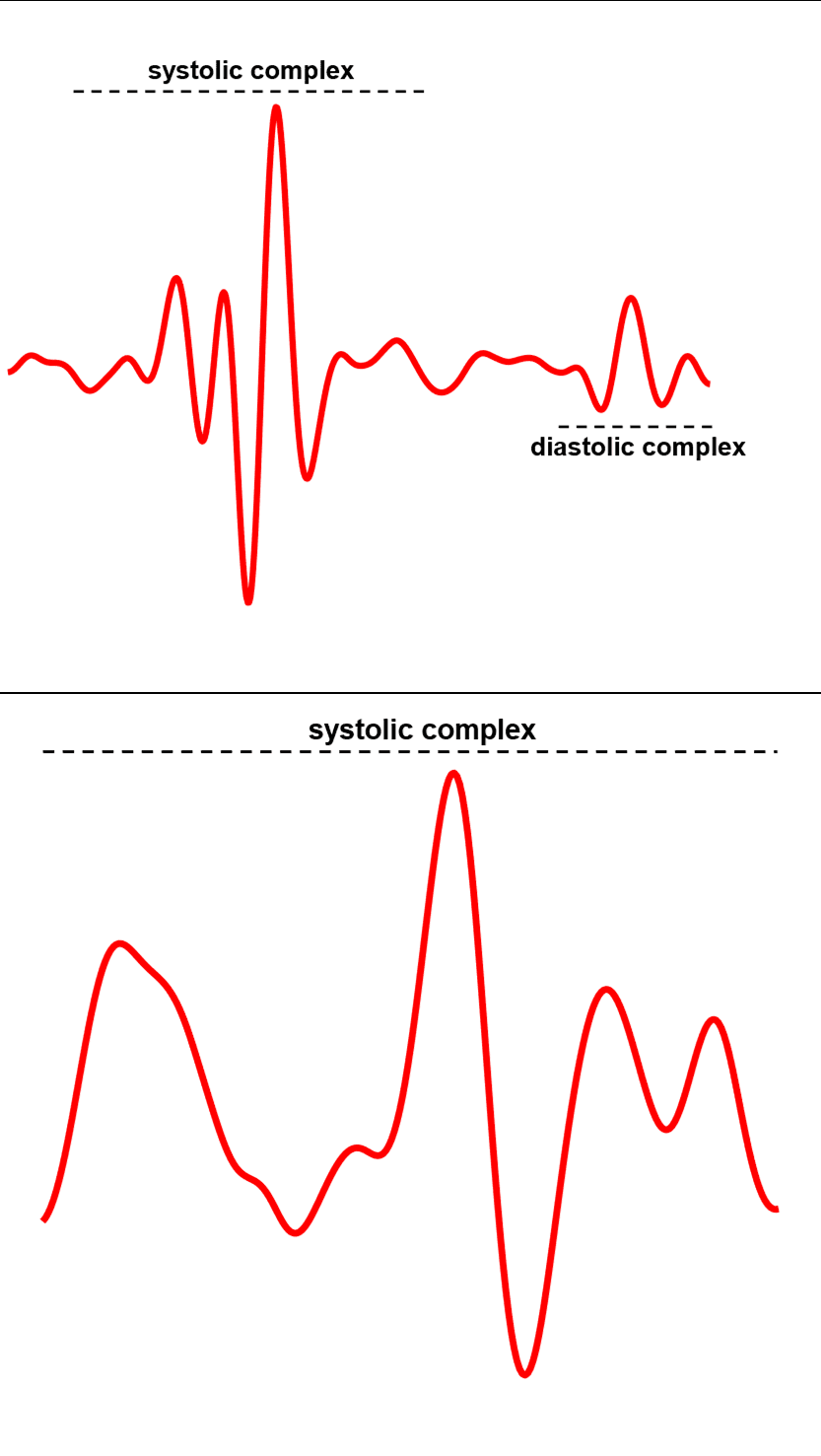
The study supports the use of simple template matching and normalized cross-correlation to detect heartbeats from SCG signals without an ECG reference. It proves that this low-computational approach is effective even in patients with complex valvular diseases, achieving millisecond-level accuracy (±7.8ms) suitable for HRV analysis.
What it Does Not Support
The study does not support automated use in real-time wearables yet, as it relies on manual template selection. It also does not prove accuracy during physical activity or in non-supine postures.
🛠 Technical Context
- DOI: 10.3390/s23104684
- Authors: J. Centracchio et al.
- Confidence Tier: Supporting