Contactless seismocardiography via Gunnar-Farneback optical flow
Executive Summary
This study explores a contactless method for extracting seismocardiography (SCG) signals using Gunnar-Farneback optical flow applied to smartphone video recordings of chest skin movements. The vision-based SCG signals demonstrated close resemblance to accelerometer-based signals, with mean squared error (MSE) values ranging from 0.2 to 1.5 in the head-to-foot direction. Heart rate estimations from the vision-based SCG showed strong agreement with ECG-derived heart rates, with a mean difference of 0.8 bpm, highlighting the potential for non-invasive cardiac monitoring.
Answer Machine Insights
Q: How accurate is the vision-based SCG compared to accelerometer-based SCG?
The vision-based SCG signals closely resembled accelerometer-based signals, with MSE values between 0.2 and 1.5 in the head-to-foot direction.
The mean squared error between the vision-based SCG signals and accelerometer-based signals was found to be within a reasonable range, especially between signals on head-to-foot direction (0.2<MSE<1.5).
Q: How well does the vision-based SCG estimate heart rate compared to ECG?
Heart rate estimations from vision-based SCG showed a mean difference of 0.8 bpm compared to ECG-derived heart rates.
The Bland-Altman plot shows a good agreement between the HRs estimated from vision-based SCG and the gold-standard ECG. The mean difference (bias) was 0.80 bpm.
Key Results
Mean squared error (MSE) between vision-based SCG and accelerometer signals ranged from 0.2 to 1.5 in the head-to-foot direction.
Heart rate derived from vision-based SCG showed a mean difference of 0.8 bpm compared to ECG measurements.
Visual Evidence
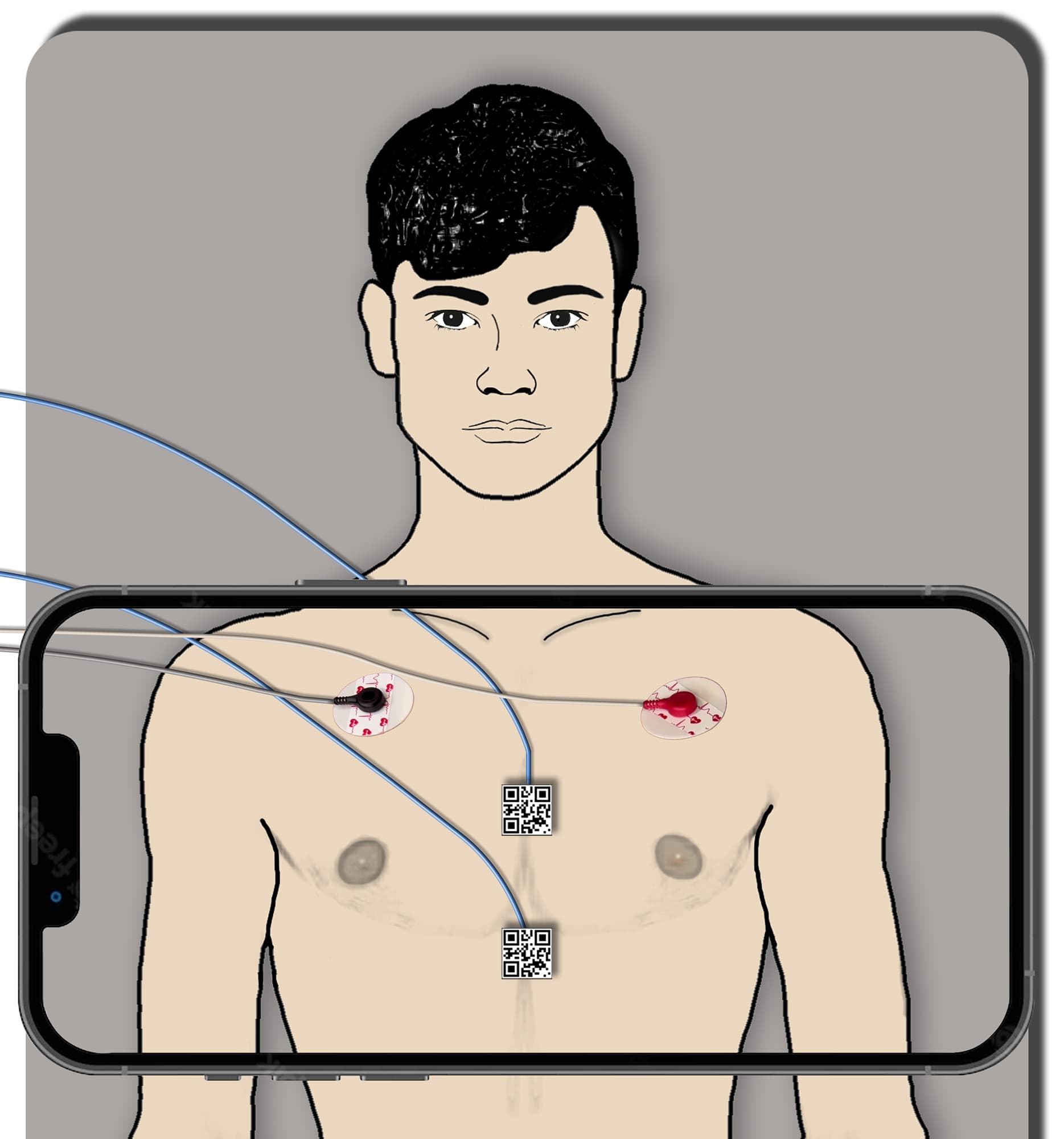
Fig. 1. Data acquisition and sensor placement setup.
Clinical Snapshot
Evidence Rating
Relevance
high Priority