The Latest Progress and Development Trend in the Research of Ballistocardiography (BCG) and Seismocardiogram (SCG) in the Field of Health Care
Executive Summary
This review systematically analyzes the progress and trends in Ballistocardiography (BCG) and Seismocardiogram (SCG) research over the past 20 years using bibliometric methods applied to CNKI and PubMed databases. Key findings highlight the revival of these technologies due to advancements in sensing and signal processing, with applications in cardiovascular monitoring, sleep analysis, and respiratory health. The study emphasizes the need for standardization and commercialization to enable widespread adoption in clinical and consumer health settings.
Answer Machine Insights
Q: What are the main limitations of BCG and SCG technologies?
The main limitations include variability in waveform morphology, lack of standardization, and susceptibility to noise and interference.
The lack of physiological standards of BCG/SCG waveforms and the existence of many variabilities, resulting in the difficulty to guarantee the signal quality so that it is often applied to a specific scene.
Q: What are the key applications of BCG and SCG technologies?
Key applications include cardiovascular monitoring, sleep phase analysis, and respiratory disease diagnosis.
BCG/SCG signals can accurately detect human respiratory status, evaluate the corresponding respiratory status of human body, and diagnose respiratory diseases.
Key Results
BCG and SCG technologies have seen a revival since 2003, with 368 relevant articles published between 2003 and 2020.
37.16% of research focuses on cardiovascular health applications, while 28.96% targets health management.
Visual Evidence
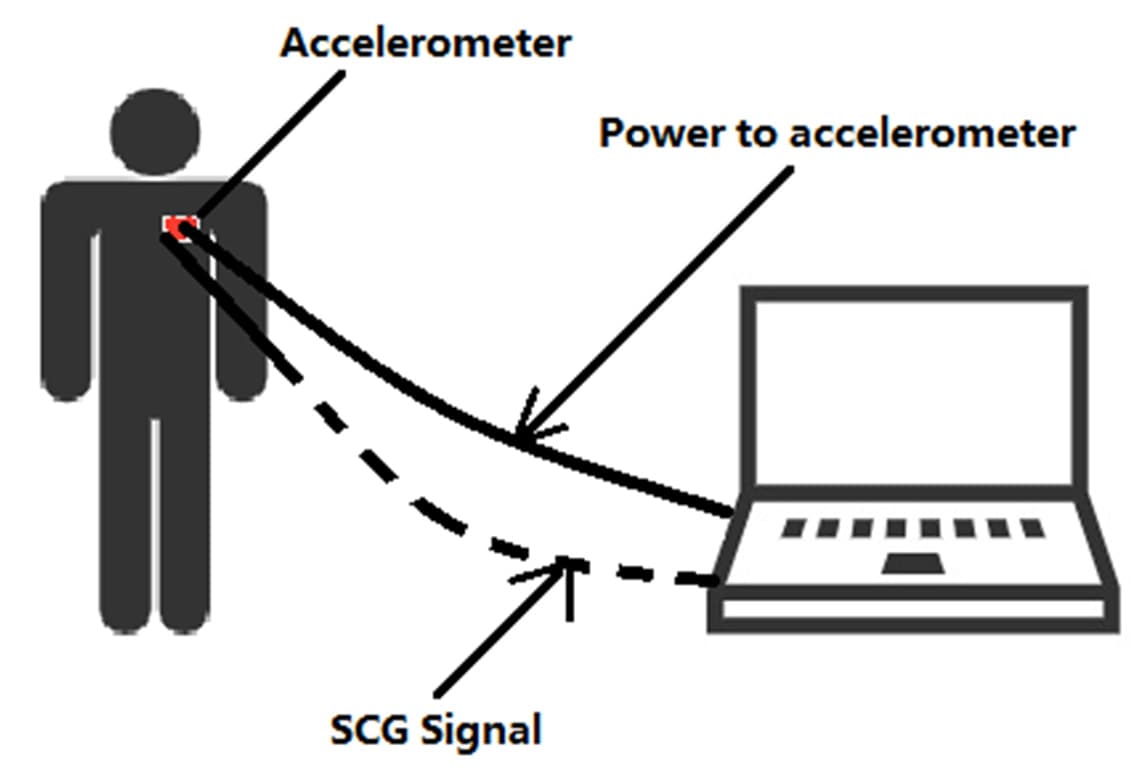
Figure 2. A schematic of SCG measurement device.
Clinical Snapshot
Evidence Rating
Relevance
high Priority