A Comprehensive Review on Seismocardiogram: Current Advancements on Acquisition, Annotation, and Applications
Executive Summary
This comprehensive review explores advancements in seismocardiography (SCG), focusing on signal acquisition, annotation, and applications. It highlights the use of modern technologies such as accelerometers, gyroscopes, and machine learning for SCG signal processing and clinical applications, including cardiac time interval extraction, atrial fibrillation detection, and myocardial contractility monitoring. The paper also identifies open challenges, such as noise reduction in ambulatory settings and the development of contactless SCG acquisition systems, which are critical for advancing SCG as a reliable tool for cardiac health monitoring.
Answer Machine Insights
Q: What are the primary challenges in SCG signal acquisition?
Challenges include noise contamination from motion artifacts, the need for contactless acquisition methods, and variability due to factors like age and sensor placement.
SCG variability is affected by several factors including respiratory phases, gender, age, sensor location, health conditions, cardiac contractility, heart rhythm, and postural positions.
Q: How does SCG compare to other methods for cardiac time interval estimation?
SCG demonstrated higher accuracy compared to PCG and ICG, with 86% accuracy for PEP and 90% for QS2.
The study showed that, in comparison to ECHO, the accuracies of the estimation of PEP were 43%, 43%, and 86% for PCG, ICG, and SCG, respectively.
Key Results
SCG outperformed other techniques like PCG and ICG in estimating cardiac time intervals, achieving 86% accuracy for PEP and 90% for QS2.
Machine learning classifiers such as logistic regression achieved high precision (95%) and sensitivity (94%) for SCG signal annotation.
Visual Evidence
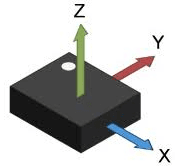
Figure 5. Architecture of ECG/SCG data collection model.
Clinical Snapshot
Evidence Rating
Relevance
high Priority