Cross-Domain Detection of Pulmonary Hypertension in Human and Porcine Heart Sounds
Executive Summary
This study investigates the detection of pulmonary hypertension (PH) using phonocardiogram (PCG) and seismocardiogram (SCG) recordings from human and porcine datasets. A DenseNet121 deep learning model was trained on segmented second heart sounds (S2) and evaluated for within-domain and cross-domain generalization. Results demonstrated high accuracy within domains (auROC of 0.92 for humans and 0.84 for porcine) and moderate transferability across domains (auROC of 0.70). Ground truth PH labels were obtained via right heart catheterization, ensuring clinical relevance.
Answer Machine Insights
Q: What is the primary clinical significance of this study?
The study demonstrates that porcine heart sound data can be used to train AI models for detecting pulmonary hypertension in humans, offering a non-invasive diagnostic alternative.
Results show that it is possible to use porcine data for developing human AI models, and that Phonocardiogram (PCG) and Seismocardiogram (SCG) training data can be used to evaluate PCG data.
Q: What methodology was used for heart sound segmentation?
Heart sounds were segmented into second heart sounds (S2) using a double thresholding approach and band-pass filtering.
S2 segments were extracted into 200 ms windows using a double thresholding approach and band-pass filtered once more to 25 Hz and 200 Hz.
Key Results
Human dataset achieved an auROC of 0.92 and AP of 0.97 for PH detection.
Cross-domain evaluation (porcine to human) yielded an auROC of 0.70 and AP of 0.84.
Visual Evidence
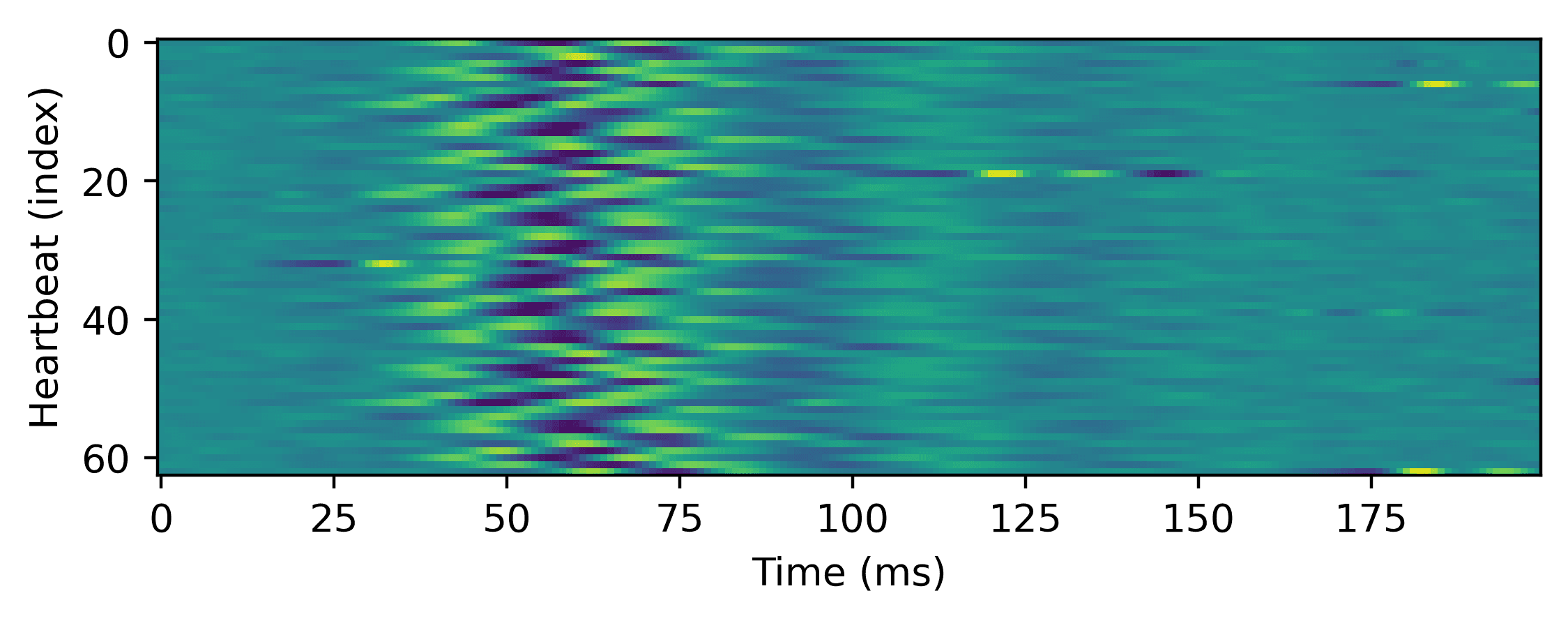
Figure 2. Pre-processing illustration: Example S2 ma- trix, prior to zero padding the bottom rows.
Clinical Snapshot
Evidence Rating
Relevance
medium Priority