Heartbeat Detection in Seismocardiograms with Semantic Segmentation
Executive Summary
This study introduces a U-Net-based deep neural network with squeeze and excitation blocks for heartbeat detection in seismocardiograms using semantic segmentation. The model was trained on the CEBS dataset and achieved state-of-the-art performance metrics, including a Jaccard index of 97.1% and F1 score of 99.2%, demonstrating high reliability in detecting heartbeats. The findings suggest potential for SCG-based heart monitoring as an alternative to ECG, though further validation with diverse populations and conditions is needed.
Answer Machine Insights
Q: What is the main contribution of this study?
The study introduces a U-Net-based deep neural network for heartbeat detection in seismocardiograms using semantic segmentation.
We have designed and evaluated a U-Net-based deep neural network with a squeeze and excitation block that is capable of detecting heartbeats using a semantic segmentation approach.
Q: How reliable is the proposed model?
The model achieved state-of-the-art performance metrics, including a Jaccard index of 97.1% and F1 score of 99.2%, demonstrating high reliability.
According to the metrics shown in Table I, the model achieved state-of-the-art results after just one iteration.
Key Results
Jaccard index of 97.1% and F1 score of 99.2% on the test set.
Sensitivity of 0.999 and precision of 0.97 on the validation set.
Visual Evidence
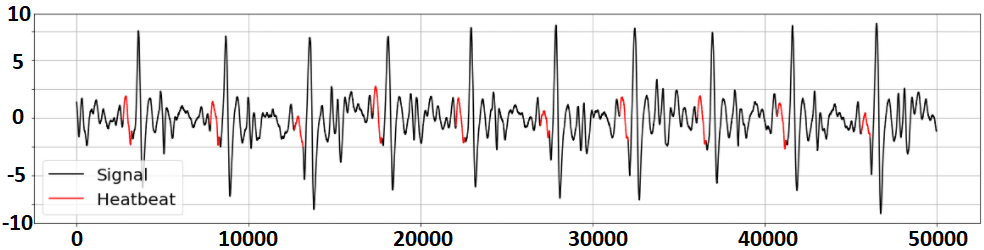
Fig. 2: Comparison between the original labels and predicted labels
Clinical Snapshot
Evidence Rating
Relevance
high Priority