ECG-Free Heartbeat Detection in Seismocardiography Signals via Template Matching
Executive Summary
This study introduces a novel ECG-free heartbeat detection algorithm for seismocardiography (SCG) signals using template matching based on normalized cross-correlation. Tested on SCG signals from 77 patients with valvular heart diseases, the algorithm achieved sensitivity and positive predictive value (PPV) of 96% and 97%, respectively, for templates including both systolic and diastolic complexes. The low computational burden of this approach makes it suitable for wearable devices, offering a simpler alternative to AI-based methods.
Answer Machine Insights
Q: What is the main advantage of the proposed template matching approach?
The approach is computationally efficient and suitable for real-time implementation in wearable devices.
The low computational burden of the proposed approach makes it suitable for direct implementation in wearable devices.
Q: How does the algorithm perform on pathological subjects?
The algorithm achieved high sensitivity (96%) and PPV (97%) even in patients with valvular heart diseases.
The results achieved with both the 'case 1' and 'case 2' templates are surprisingly good, all the more so if the low computational burden of the proposed template matching approach is taken into account.
Key Results
Sensitivity of 96% and PPV of 97% achieved for templates including systolic and diastolic complexes.
Regression analysis showed R2 > 0.999 with limits of agreement of ±7.8 ms for inter-beat intervals.
Visual Evidence
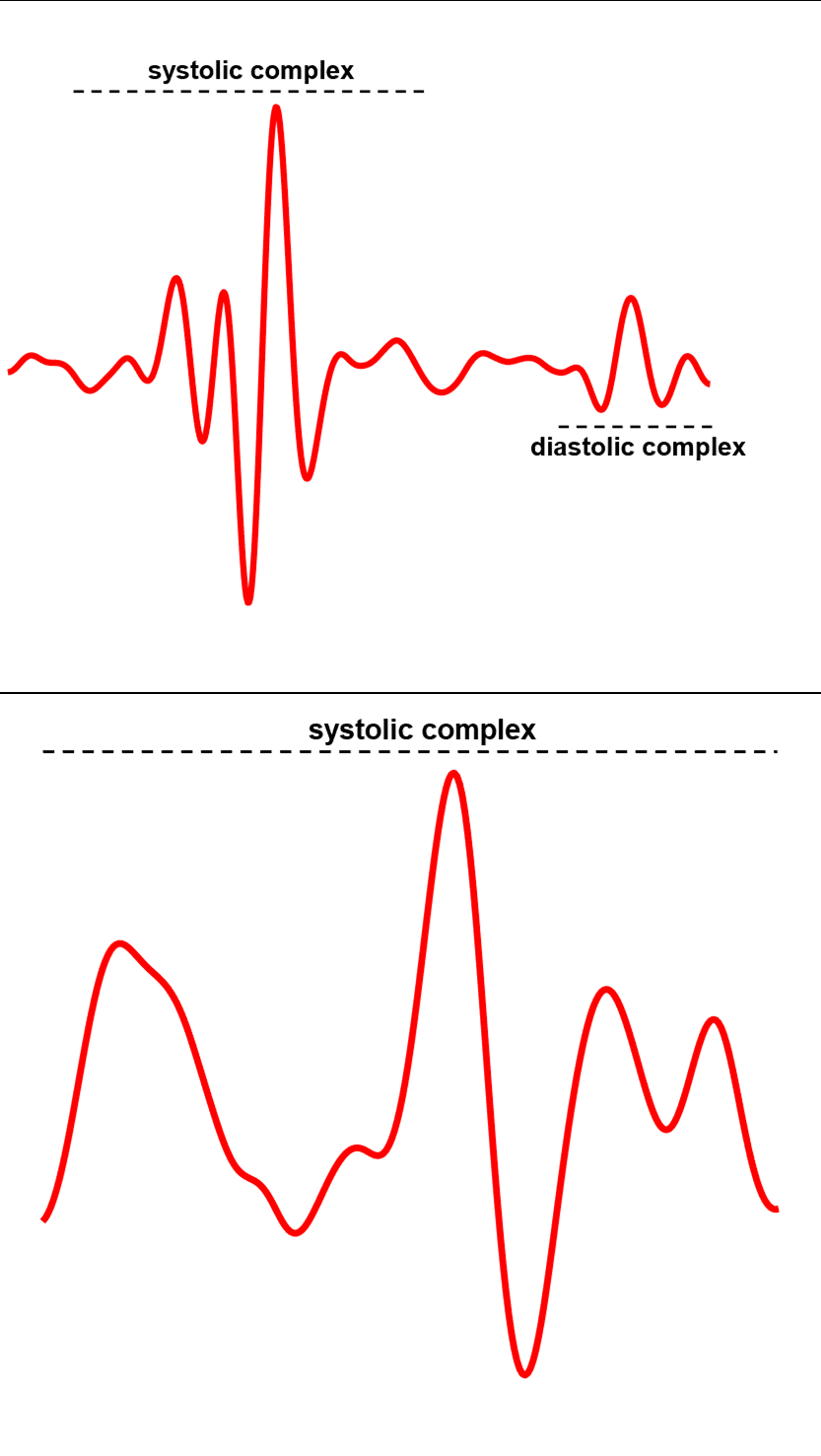
Table 2. Template selection criteria. The templates depicted in the table correspond to those high- lighted in red in Figure 2.
Clinical Snapshot
Evidence Rating
Relevance
high Priority