Waveform Similarity Analysis Using Graph Mining for the Optimization of Sensor Positioning in Wearable Seismocardiography
Executive Summary
This study introduces a graph-theoretical approach to optimize sensor positioning for wearable seismocardiography (SCG) based on waveform similarity analysis. Using fiber optic sensors embedded in wearable patches, SCG signals were collected from two chest positions (mitral valve and aortic valve auscultation sites) across 11 healthy subjects in various postures. Results demonstrated that the mitral valve position and laying posture yielded the highest waveform similarity and measurement repeatability. The findings were validated through heart rate (HR) analysis and comparison with accelerometer-based SCG systems, confirming the reliability of the proposed methodology and wearable system.
Answer Machine Insights
Q: Which sensor position yielded the highest waveform similarity?
The mitral valve position yielded the highest waveform similarity.
The similarity score for mv position expressed as mean ± standard deviation is 12.5174 ± 10.1060, while the similarity score for av is 4.37945 ± 4.3723.
Q: What posture is optimal for SCG measurement?
The laying posture is optimal for SCG measurement.
The highest similarity score is obtained in laying position. Thus, in view of a clinical examination it would be appropriate to record the SCG signal with the sensor attached on mv while the subject is in laying position.
Key Results
Similarity score for mitral valve position: 12.5174 ± 10.1060, significantly higher than aortic valve position (4.37945 ± 4.3723).
Heart rate estimation error for mitral valve position in laying posture: -0.0055%, confirming high accuracy.
Visual Evidence
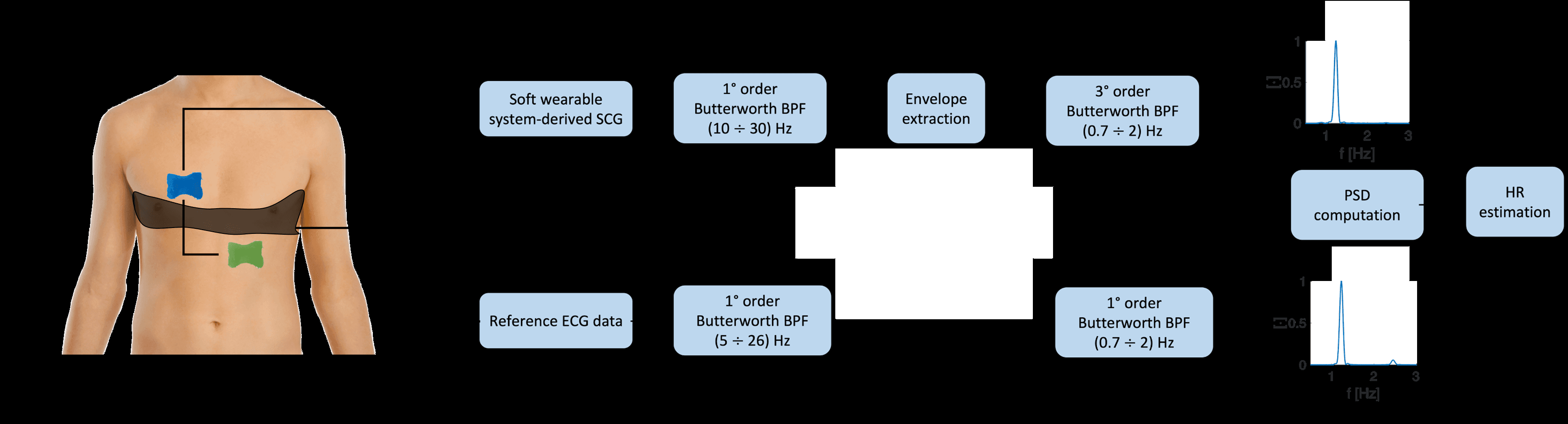
Fig. 4: Processing steps in HR analysis.
Clinical Snapshot
Evidence Rating
Relevance
high Priority