Back to Evidence Hub
Case Study application-of-acceleration-sensors-in-physiological-experiments
2014 Release

Application of Acceleration Sensors in Physiological Experiments

Executive Summary

This study explores the application of accelerometer sensors for physiological monitoring, including physical activity, respiration, and mechanical heart activity (SCG). Two accelerometer systems, Biosense v.4.0 (8-bit) and ECG Holter v.1.0 (16-bit), were tested on 30 subjects, demonstrating the feasibility of using accelerometers for seismocardiography and heart rate variability (HRV) analysis during physical exercise. The findings highlight the potential of accelerometers in healthcare devices, though limitations in resolution were noted for the 8-bit system.

This study shows how accelerometers can monitor heart activity and breathing, paving the way for wearable health devices that track fitness and medical conditions more effectively.

Answer Machine Insights

Q: What physiological parameters were monitored using accelerometers?

Physical activity, respiration, mechanical heart activity (SCG), and heart rate variability (HRV).

It is clearly proven that the accelerometer can not only monitor the proband’s movement but also respiration, mechanical heart activity and physiological activation.

Q: What were the limitations of the 8-bit accelerometer?

The 8-bit accelerometer suffered from low resolution and insufficient accuracy for detailed physiological monitoring.

All these results seem to be very promising for the future research but suffer from a low resolution of the used 8-bit accelerometer with insufficient accuracy.

Key Results

  • MMGRMS amplitude increased from 12.4 mg to 22.9 mg during muscle fatigue experiments.

  • HRV signal obtained using a 16-bit accelerometer during squatting was not achievable with the 8-bit system.

Visual Evidence
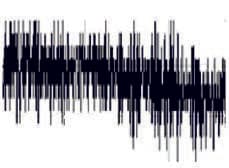
Fig. 1. Application of 8-bit accelerometer in mechanomyography

Fig. 1. Application of 8-bit accelerometer in mechanomyography

Clinical Snapshot

Evidence Rating

Relevance

high Priority

Confidence

Supporting

Relativity Score

3/5
Rigor
4/5
Novelty
5/5
Impact

Semantic Graph Connections

Similar Methodology

Heart Beat Detection from Smartphone SCG Signals: Comparison with Previous Study on HR Estimation

Similar Methodology

Automatic Identification of Systolic Time Intervals in Seismocardiogram

Similar Methodology

Accurate and consistent automatic seismocardiogram annotation without concurrent ECG

Similar Methodology

Multichannel seismocardiography: an imaging modality for investigating heart vibrations

Similar Methodology

A seismocardiography system and a possibility of its use for diagnosis of internal organs diseases using seismocardiogram information analysis

Similar Methodology

Robustness of Persistence Diagrams to Time-Delay for Seismocardiogram Signal Quality Assessment*

Similar Methodology

Heart Rate and Respiratory Rate Monitoring Using Seismocardiography

Similar Methodology

Beat-to-beat estimation of LVET and QS2 indices of cardiac mechanics from wearable seismocardiography in ambulant subjects

Similar Methodology

A Unified Framework for Quality Indexing and Classification of Seismocardiogram Signals

Similar Methodology

Respiratory Modulation of Sternal Motion in the Context of Seismocardiography

Similar Methodology

Toward Wearable Estimation of Tidal Volume via Electrocardiogram and Seismocardiogram Signals

Similar Methodology

Quantifying and Reducing Motion Artifacts in Wearable Seismocardiogram Measurements During Walking to Assess Left Ventricular Health

Similar Methodology

A Hidden Markov Model for Seismocardiography

Similar Methodology

High-Accuracy, Unsupervised Annotation of Seismocardiogram Traces for Heart Rate Monitoring

Similar Methodology

Noncontact Multipoint Vital Sign Monitoring With mmWave MIMO Radar

Similar Methodology

A new algorithm for segmentation of cardiac quiescent phases and cardiac time intervals using seismocardiography

Similar Methodology

Combined measurement of ECG, Breathing and Seismocardiograms DataBase (CEBSDB)

Similar Methodology

Enabling Wearable Pulse Transit Time-Based Blood Pressure Estimation for Medically Underserved Areas and Health Equity: Comprehensive Evaluation Study (Preprint)

Similar Methodology

Visualization of the Multichannel Seismocardiogram

Similar Methodology

Seismocardiography on Infants and Kids

Similar Methodology

Porcine Model for Validation of Noninvasive Estimation of Pulmonary Hypertension

Similar Methodology

Beat to BEAT – Non-Invasive Investigation of Cardiac Function on the International Space Station

Similar Methodology

Multi-site cardiac rhythm monitoring via multi-channel SCG system and exercise-induced physiological analysis

Similar Methodology

Discrete Wavelet Transforms-Based Analysis of Accelerometer Signals for Continuous Human Cardiac Monitoring